






















 +30%
+30%
 #1
#1


In a competitive SEO landscape where content parity is often the norm…
We wanted to test whether large language models (LLMs) could help us go beyond traditional audits and act as intelligent proxies for how search engines might evaluate helpfulness, authority, and relevance.
We used this approach to help our client identify why they were being outranked by a competitor, guide on-page improvements, and ultimately reclaim visibility for a key target keyword.
The results?
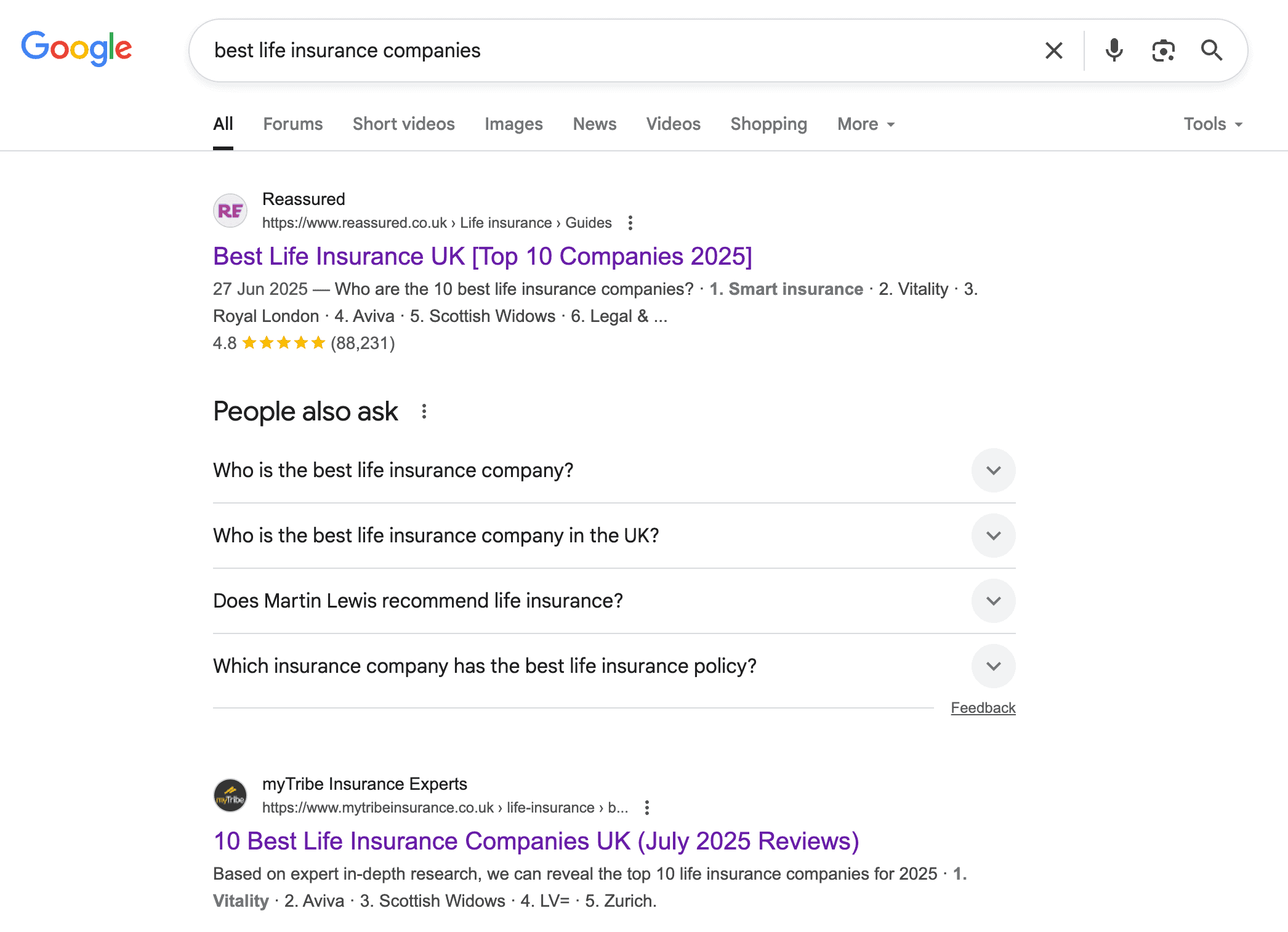
Reassured holds the top position in Google for the keyword “best life insurance companies” in the UK.
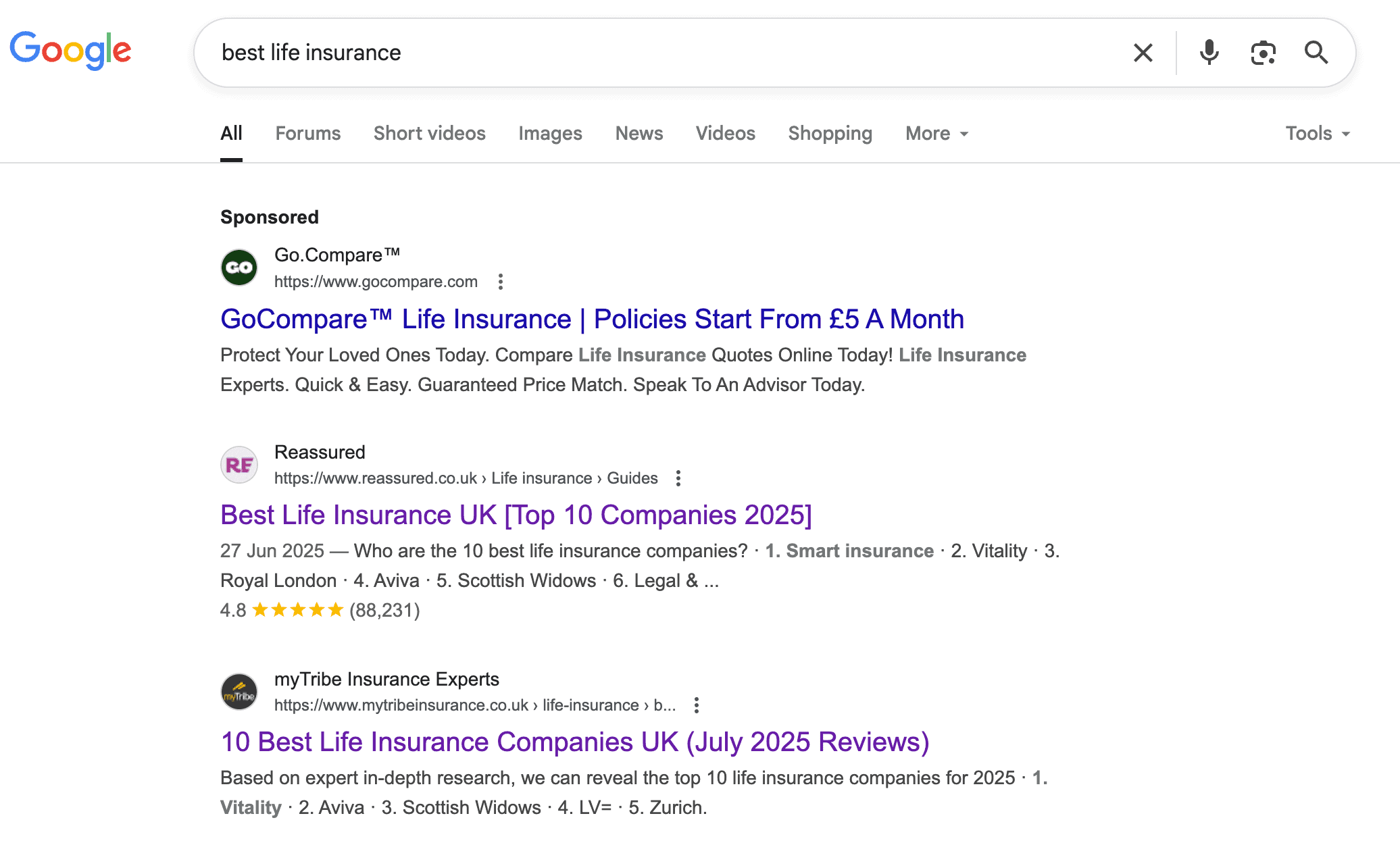
… and for “best life insurance”.
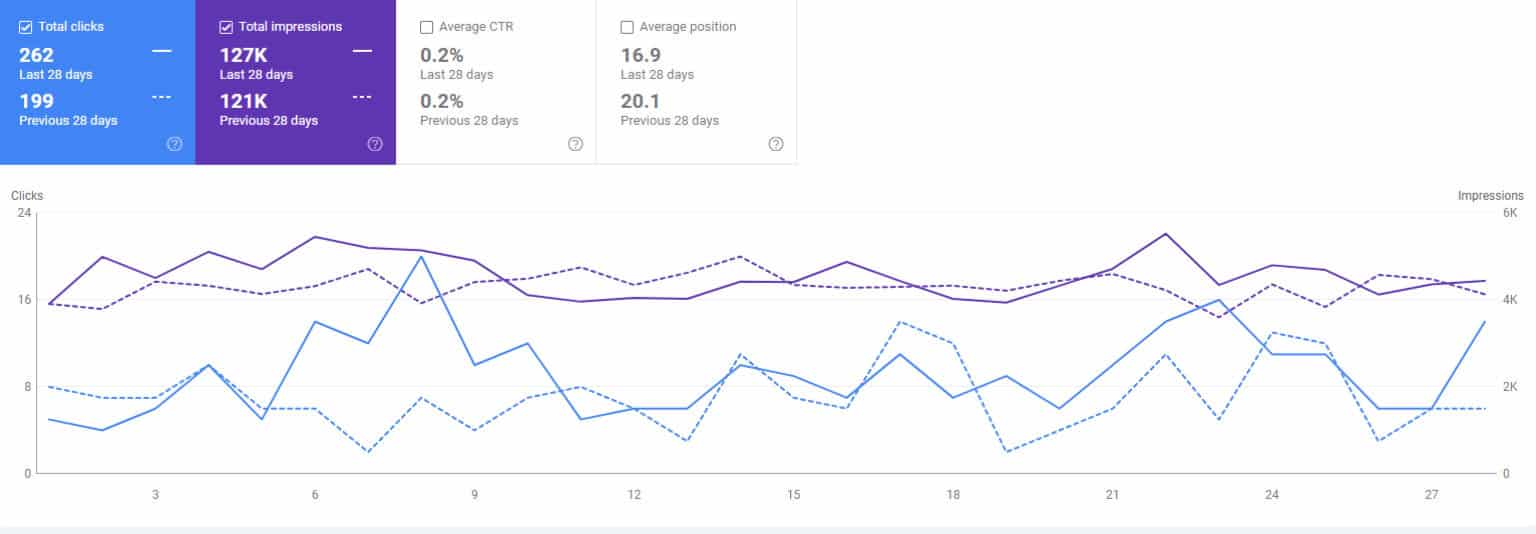
We’ve also seen a 30%+ growth in clicks month-on-month on this page since making the updates.
How did we achieve this?
- Comparing the client’s page against top competitors using multiple Large Language Models to assess which content was perceived as more helpful, trustworthy, and complete.
- Synthesising the feedback across LLMs, identifying consistent weaknesses in tone, clarity, structure, and user relevance, and verifying insights through manual review.
- Delivering a prioritised set of on-page recommendations focused on improving clarity, depth, and usability, and re-running the LLM evaluations after implementation to validate success.
In this case study, we’ll break down exactly how we implemented these changes and how you can apply the same strategies to your own web pages.
Let’s dive in.

What Will I Learn?
A Closer Look At The Case Study
 Reassured are the U.K.’s largest life insurance broker, offering comparisons, quotes, and expert guidance to customers looking for the best policy.
While their content was informative and technically sound, a persistent issue remained: their “best life insurance providers” page struggled to rank above a clearly lower-quality competitor.
The issue wasn’t crawlability or authority, but one of perceived helpfulness and relevance.
That’s when we introduced a new approach: using Large Language Models (LLMs) to compare the two pages head-to-head.
Instead of relying solely on tools or manual analysis, we used LLMs as content quality evaluators, identifying subtle but important ways our client’s page could be improved in structure, tone, and clarity.

The Biggest Challenges We Had To Overcome
The most pressing challenges we tackled during this campaign included:
- Outranking a persistent competitor whose content performed better in search, despite being objectively lower quality in both structure and substance.
- Identifying hidden weaknesses in our client’s page that weren’t being flagged by standard SEO tools or audits, but were clearly impacting perceived helpfulness and clarity.
- Translating LLM insights into actionable SEO improvements, ensuring that model-generated recommendations were accurate, relevant, and aligned with both user expectations and Google’s Helpful Content guidelines.

Create A Plan Of Attack
Here’s a breakdown of the full process.
Step #1: Use LLMs As Comparative Evaluators
Start by asking multiple LLMs (ChatGPT, Claude, Perplexity, etc.) a simple but strategic question:
“Here are two webpages covering the same topic. Based on usefulness, clarity, trustworthiness, and overall helpfulness, which one is better and why?”
Paste in the full content of your page and a higher-ranking competitor’s page, then run the same prompt across different LLMs to cross-validate the responses.
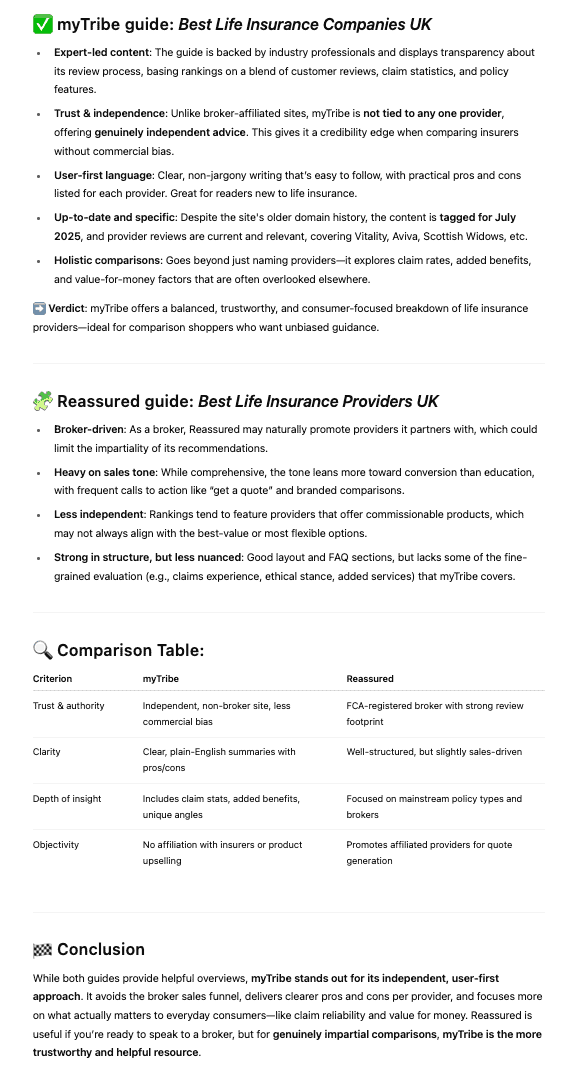
Step #2: Capture Model Judgments & Extract Insights
The models don’t just declare a winner, they explain why.
Common feedback themes include:
- The competitor offered clearer definitions and explanations
- Their page followed a cleaner, more intuitive content structure
- Examples and visuals were more relevant and better placed
- The tone and formatting felt more authoritative and user-friendly
In other words, while our client’s content was factually correct, it lacked polish, clarity, and the subtle content architecture that builds perceived helpfulness.
Step #3: Synthesise And Optimise
Aggregate the feedback across the models, identifying the most consistent and actionable points.
This provides insights on what needs to be optimised and refined so that you can action the recommendations:
Here are some actionable recommendations that you may need to consider when optimising your own page:
Clarity & Structure
✅ Front-Load Value:
Start with a clear summary or comparison table if users are looking for “best” or “top” recommendations.
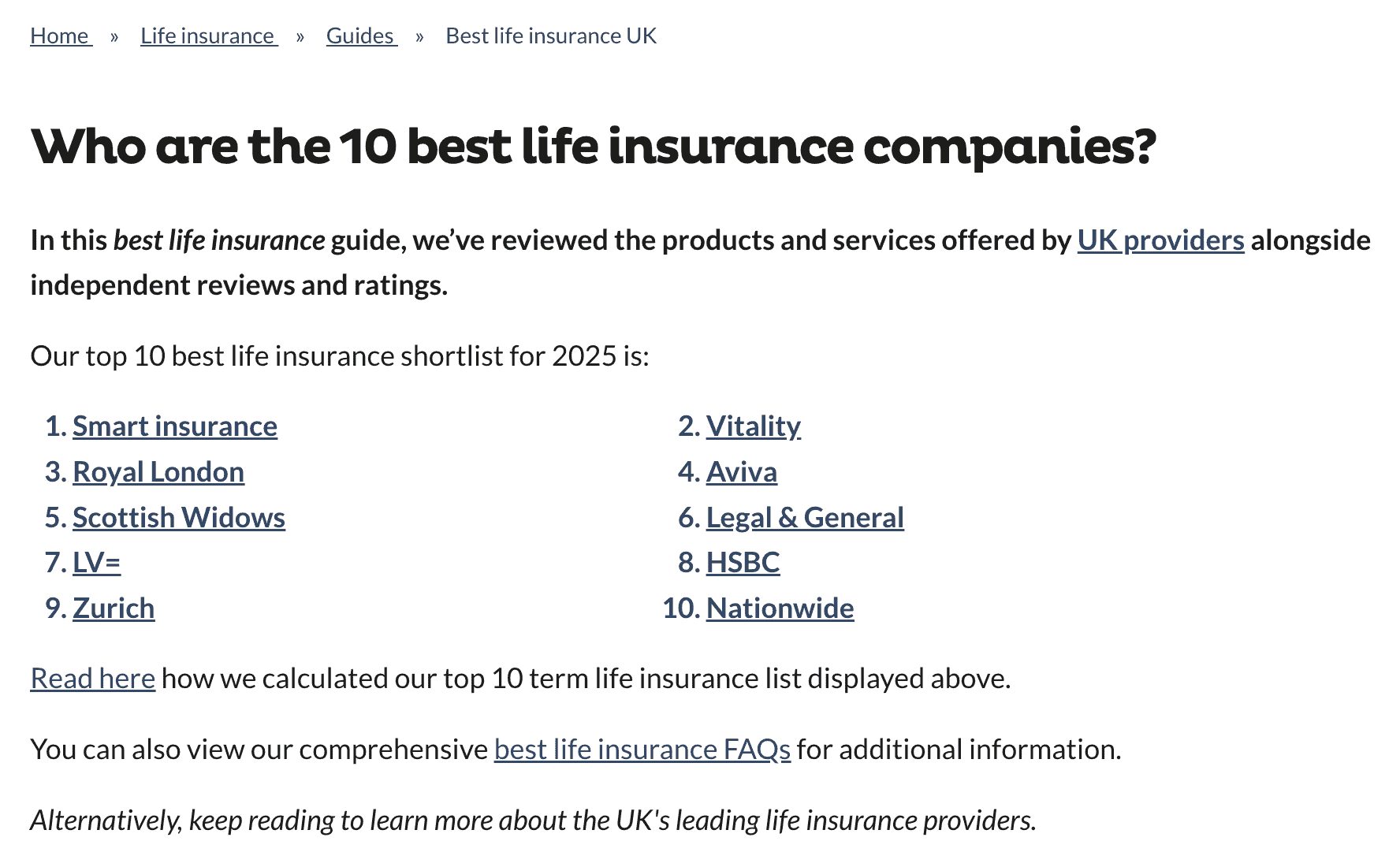
✅ Use Meaningful Subheadings:
Avoid generic headers like “Overview” or “More Info.” Instead, be specific (e.g., “Top 5 UK Providers Compared”).
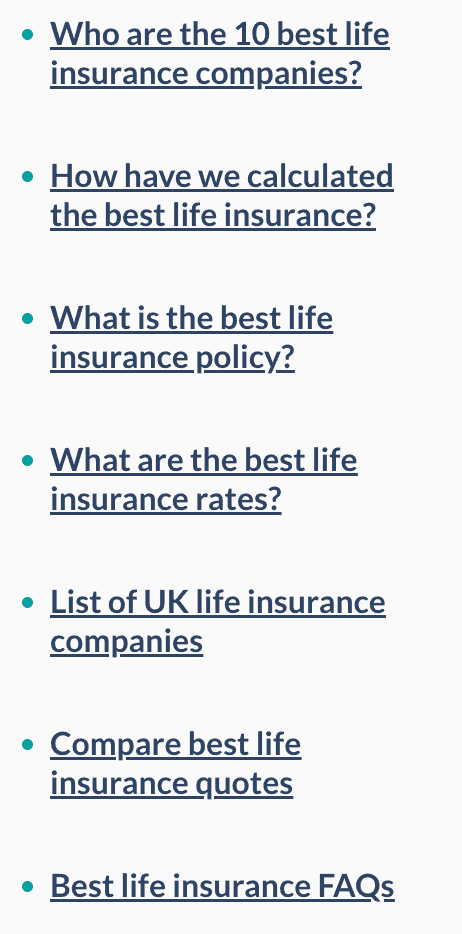
✅ Break Up Long Paragraphs:
Use bullet points, numbered lists, and shorter blocks of text to improve readability.
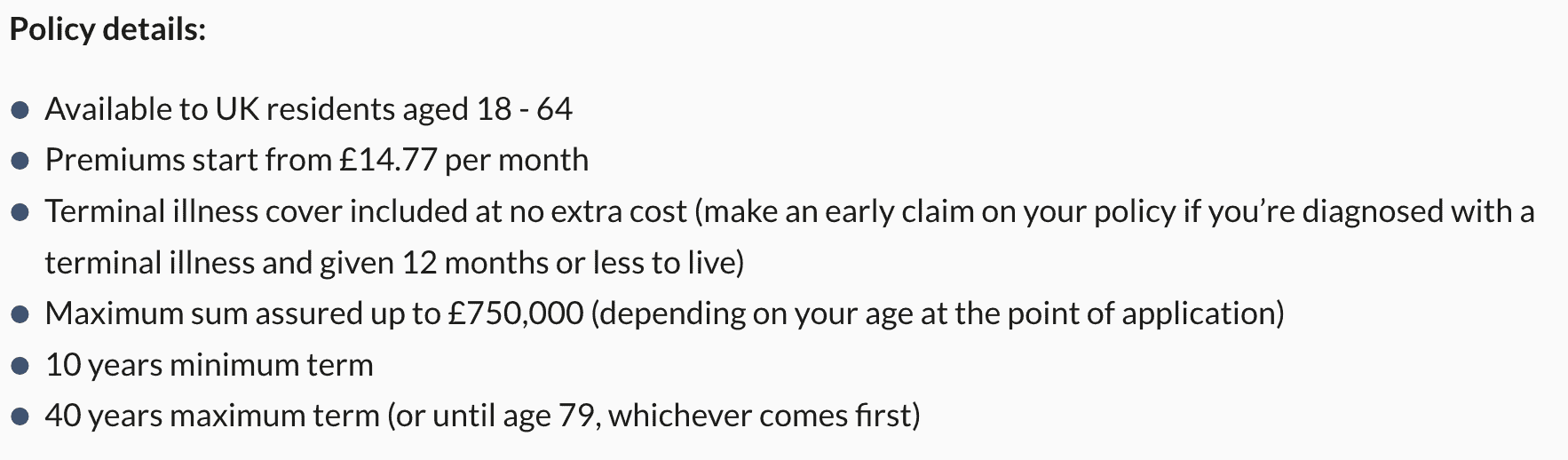
Depth & Relevance
✅ Cover Key Decision-Making Factors:
Include anything that aligns with what a user actually wants to know such as ratings, price ranges, customer reviews, pros and cons.
✅ Anticipate Questions:
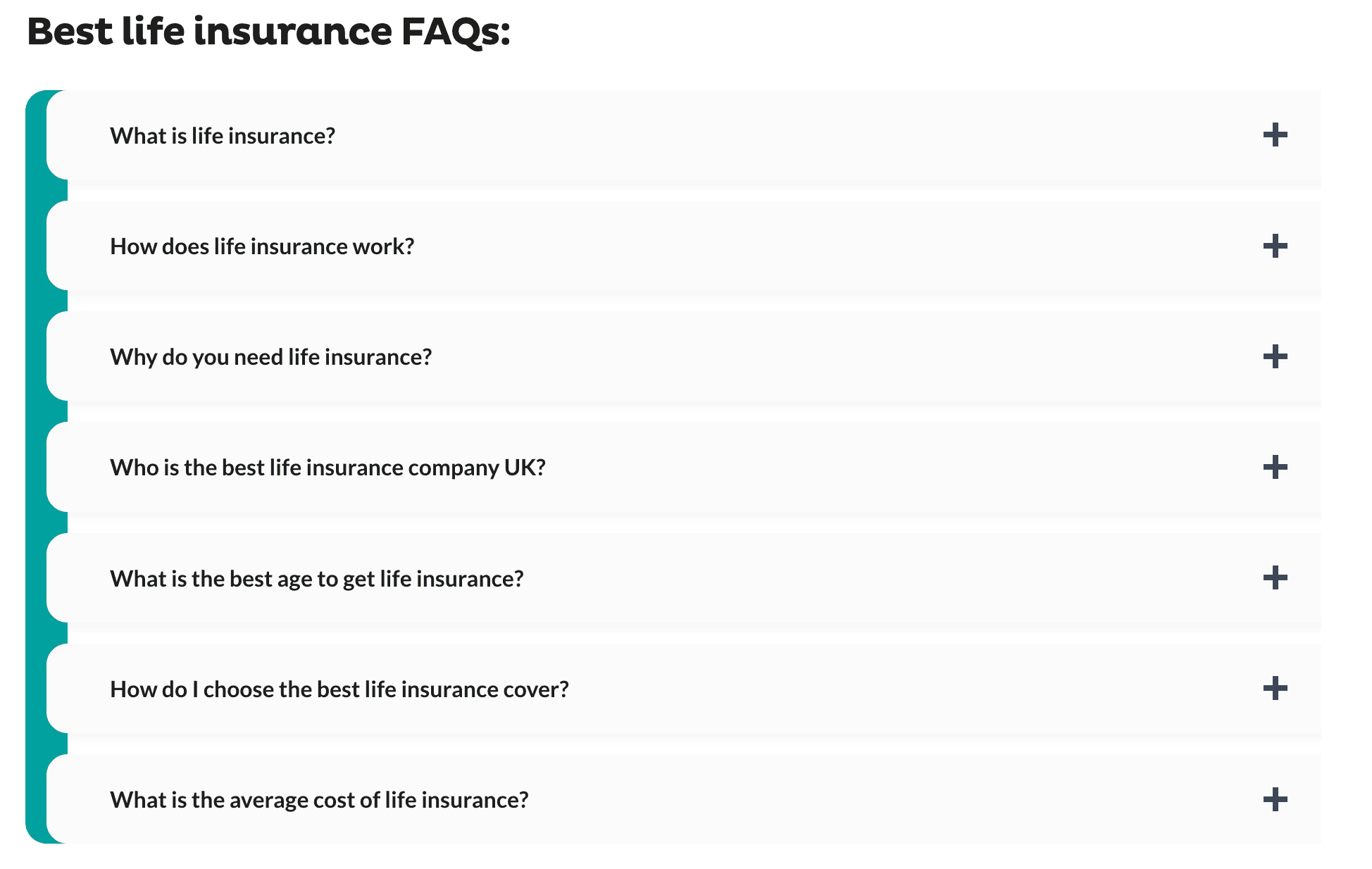
Address common user questions like “Why do you need life insurance?”
Tone & Language
✅ Adopt A Helpful, Authoritative Tone:
Write like a trusted advisor, not a salesperson.
Build trust with clear, transparent language.
✅ Avoid Passive Voice & Filler Phrases:
Replace “It is often said that…” with confident, direct phrasing.
Trust & Authority Signals
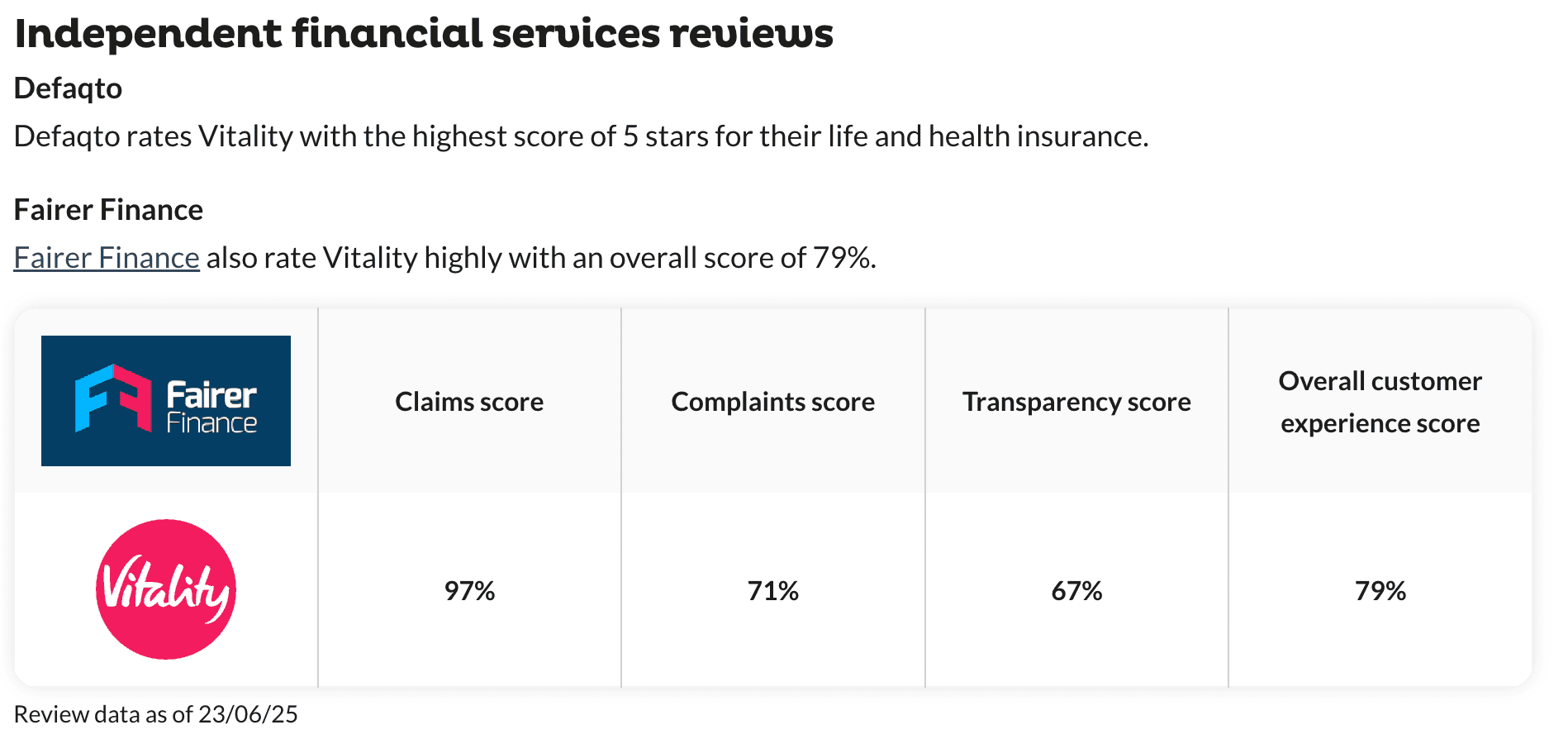
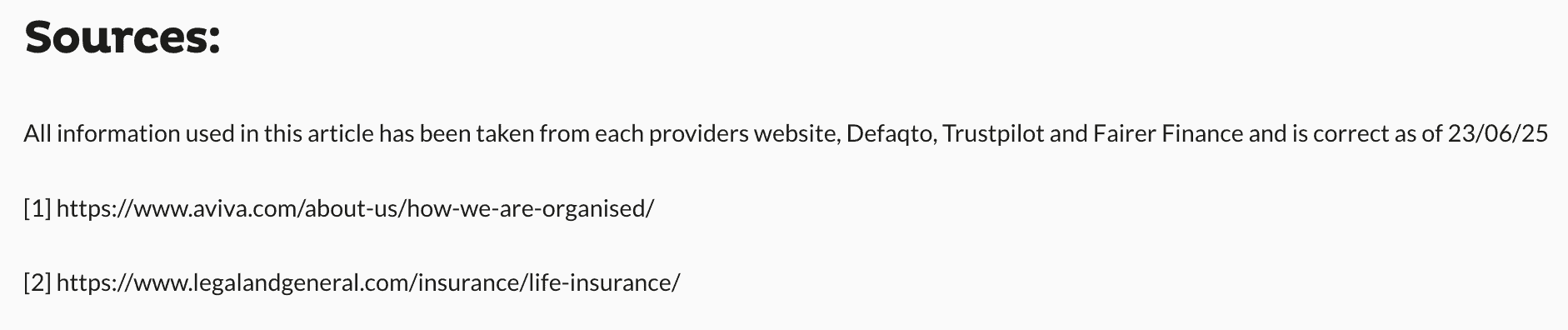
✅ Cite Third-Party Data:
Link to reputable studies, reviews, or industry bodies where applicable to reinforce your stance and provide more credibility.
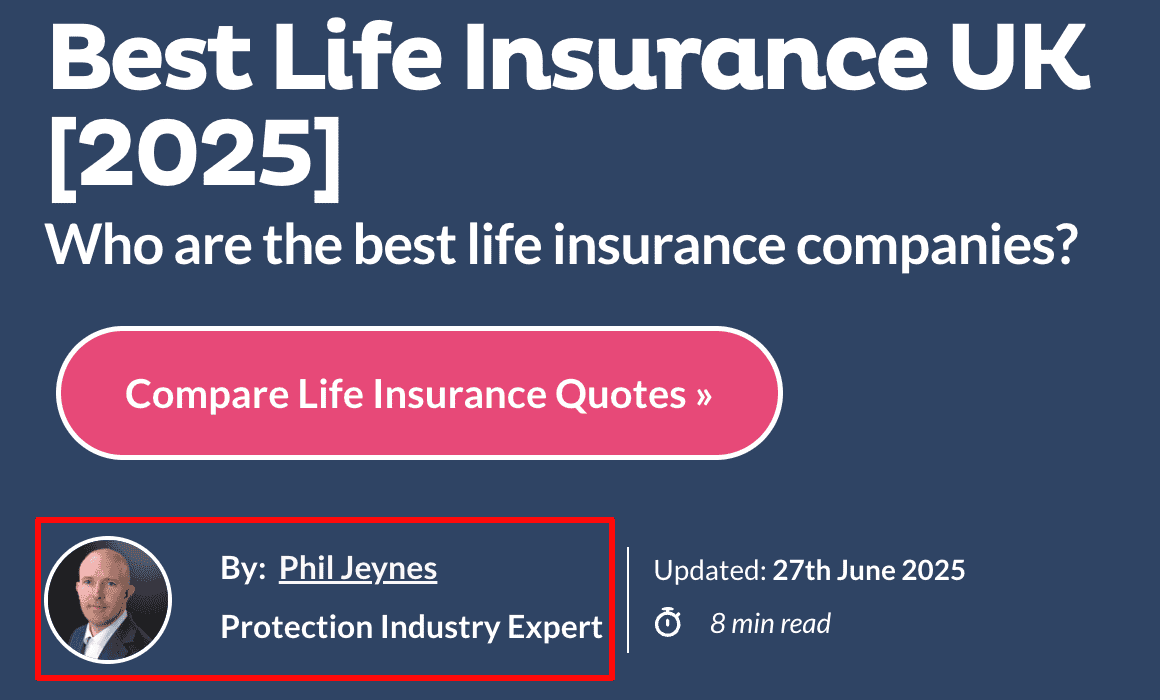
✅ Add Author Information & Last Updated Dates:
This helps with E-E-A-T (Experience, Expertise, Authoritativeness, and Trustworthiness), showing Google and your audience that the article was written by a trustworthy source and that the information provided is up to date.
SEO Enhancements
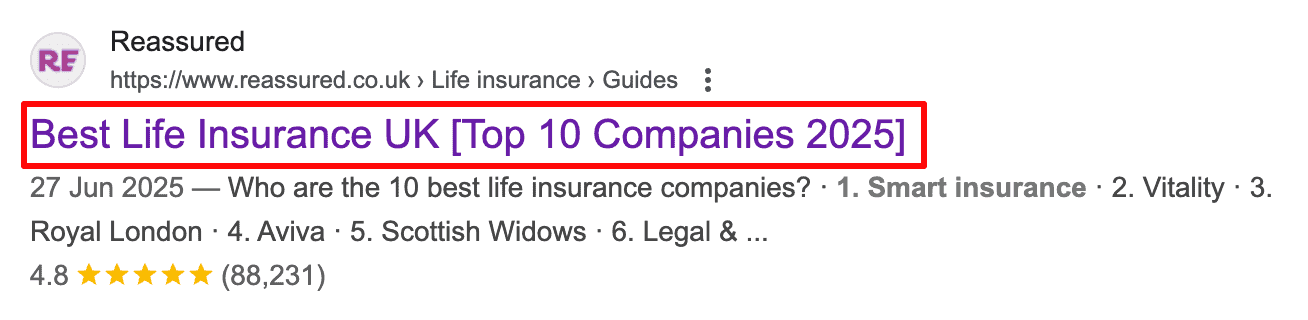
✅ Optimise Title & Meta Description:
Make sure the page title and meta description is compelling, keyword-aligned, and actually reflects what’s on the page.
✅ Use Structured Data:
Apply relevant schema markup to help improve Google’s and other crawlers’ understanding of the content.
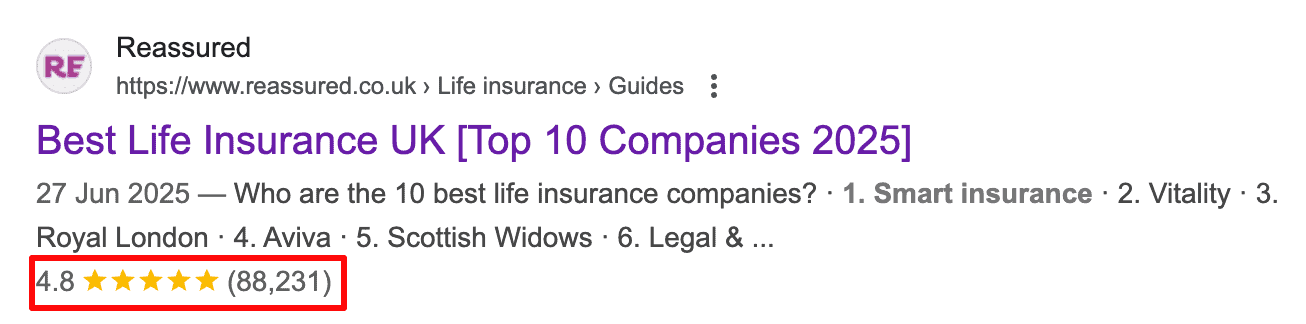
For example, we made sure that the client’s page has FAQ schema, product schema (if applicable), and Article markup.
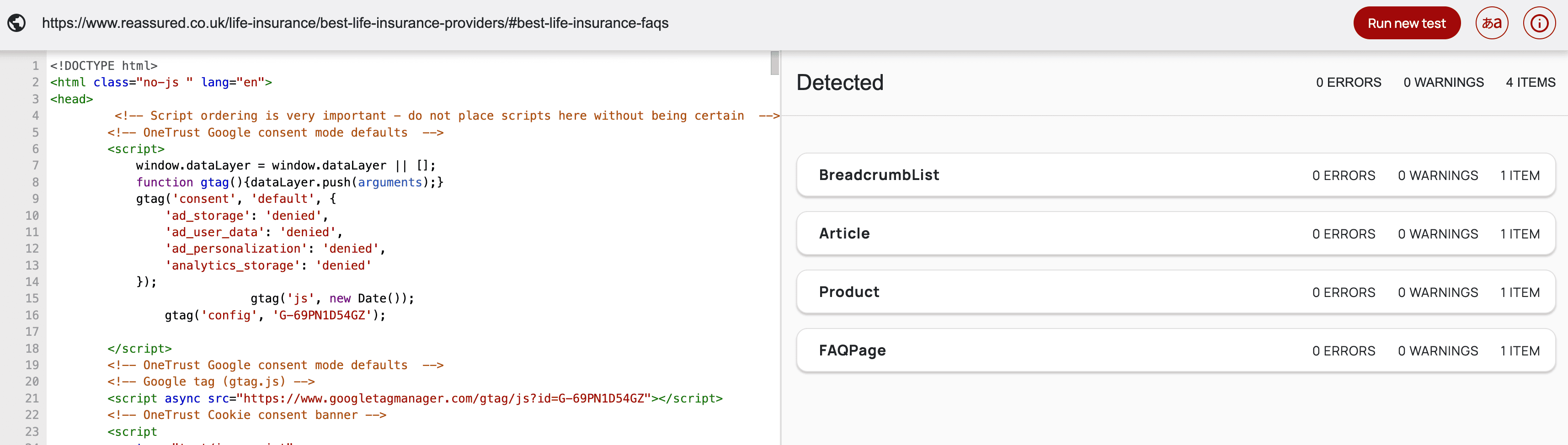
This helps with a richer search result:
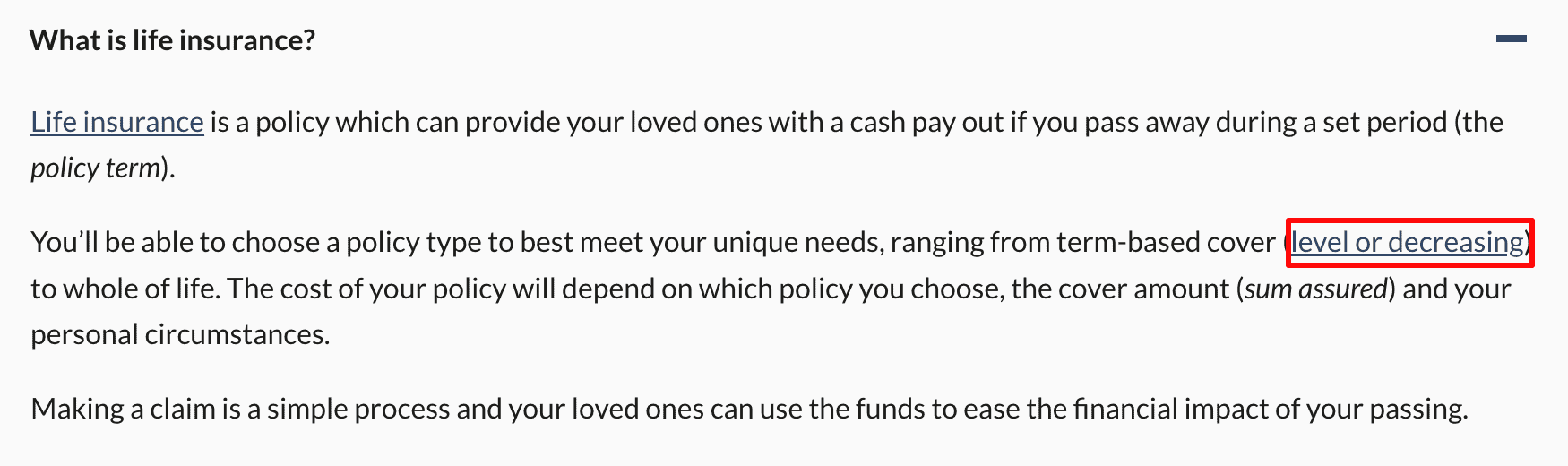
✅ Internally Link To Related Guides:
Keep users engaged and boost topical authority.
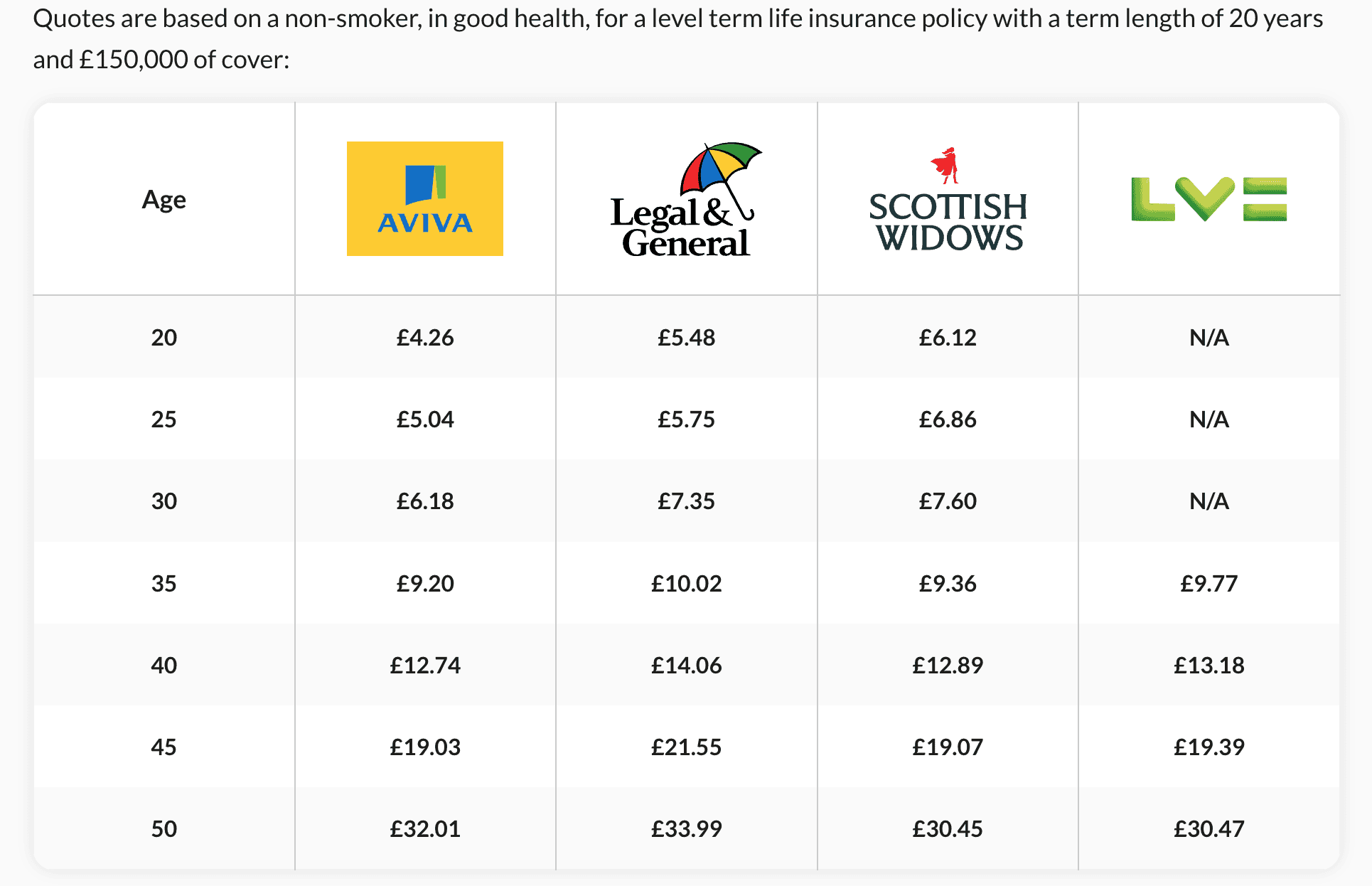
Visual & UX Improvements
✅ Use comparison Tables & Visual Aids:
These help users scan and digest complex info quickly.
✅ Add Callouts Or Info Boxes:
Highlight key tips or common pitfalls visually.
Step #4: Re-Run The LLM Evaluation
Once the changes are live, rerun the same LLM comparison prompt, but this time with the updated version of your page.
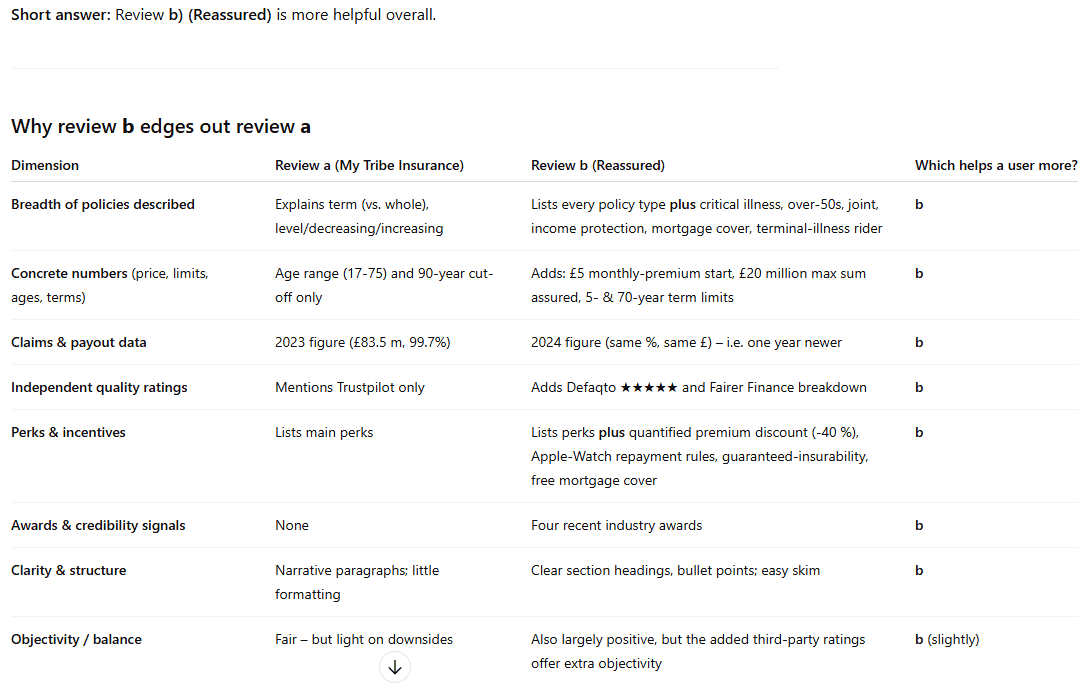
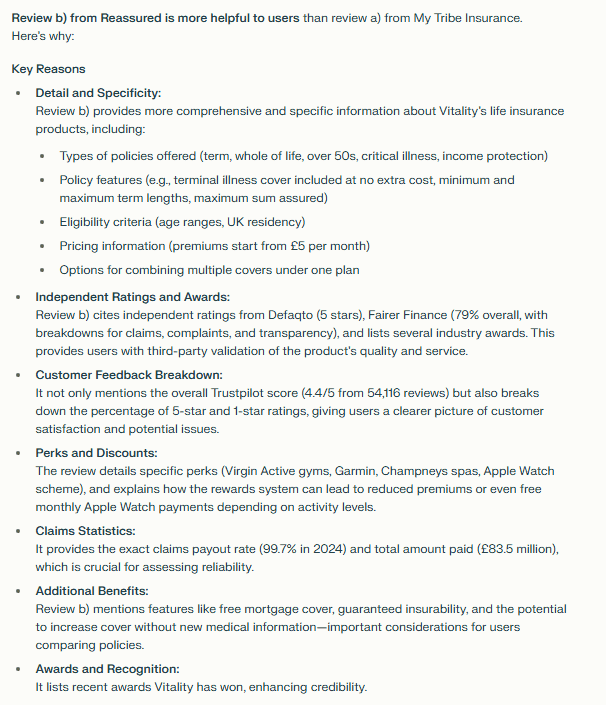
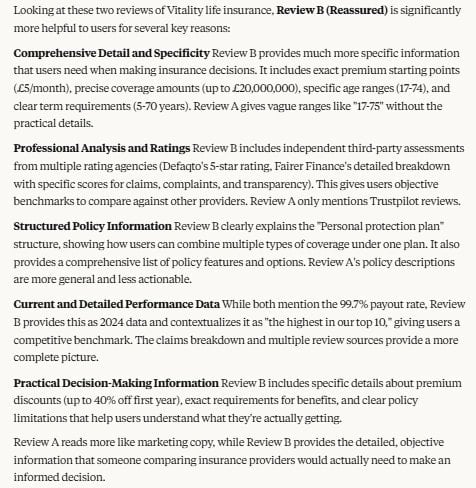
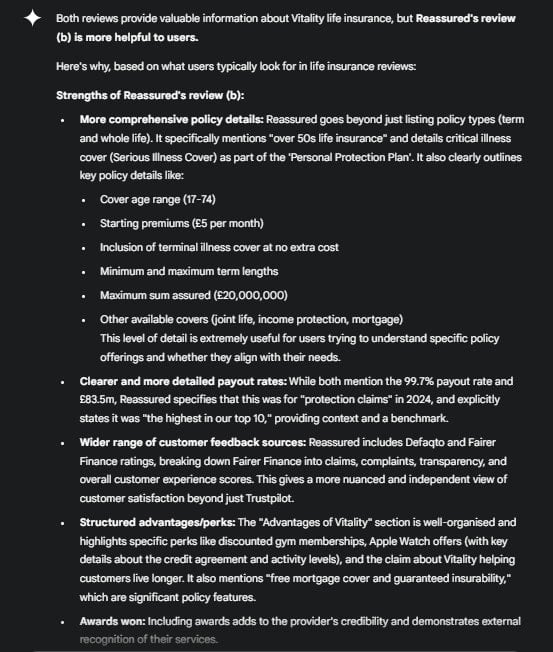
All LLM outputs agreed that Reassured’s review is more helpful for users.
- ChatGPT
- Perplexity
- Claude
- Gemini
Reassured now holds the top position in Google for the keyword “best life insurance companies” in the UK.
… and for “best life insurance”.
We’ve noted a 30%+ growth in clicks month-on-month on this page since making the updates.




 +50%
+50%


 +12,583


